Showing posts with label The Beatles. Show all posts

Sunday, April 02, 2023

Best Of 2022: Out Of The Past

Have No Fear, AnEarful is now HERE


I feel like I’m highlighting a slimmer batch of reissues than usual this year. It could be because I reviewed over 175 albums and listened to hundreds more, which may or may not be above or below my annual average but still feels like a lot. Another factor is that Richard Shaw’s ongoing #5albums polls on Twitter may be adding to my retrospective load in such a way that I have less bandwidth for other sounds of the past. All that said, there were some significant reissues that demand to be discussed, even if only briefly, from overstuffed commemorative boxes to obscurities seeing the light of day for the first time. As noted, a few of these are vinyl only but a  track from the rest can be found in this playlist or below.


THE BIG BOXES

The Beatles - Revolver (Super Deluxe) It’s easy to be jaded by the yearly drumbeat of rejigged and expanded versions of these bedrock albums, especially when you already have multiple copies, as I do (three on vinyl, two on CD). As with other entries in this latest go round, one of the selling points with this one is a version of the original stereo LP remixed by Giles Martin, the son of original producer Sir George. These have been of intermittent necessity, with the Sgt. Pepper’s “mono in stereo” mix likely being the most essential one. There’s nothing wrong with this new Revolver, with its slightly more prominent rhythm section, but there’s nothing necessary about it either. Then we get two discs of outtakes, which are actually among the most fascinating and satisfying of their kind. Even with all the bootlegs I have, I was unaware of the “actual speed” version of Rain, a single recorded during the Revolver sessions. To manipulate the sound to their liking, they recorded the backing track what sounds like 50 percent faster than the released version, then slowed it down for that uniquely draggy sound. What a rush. 

Then you get working tapes of gleaming icons of perfection like And Your Bird Can Sing, Dr. Robert, and others, some of which give a hint of what a live jam in this sound world might sound like. This batch of outtakes is one I’ve been coming back to, unlike some of the “one and done” flotsam and jetsam on other sets. If you don’t need the book, which is by all accounts handsomely designed, you might very well be satisfied with streaming the set, which costs a hefty $165 on vinyl. But - and this is a very big but - the collection also includes a mono master edition of the album, which is the best way to hear it as The Beatles intended. If you have a turntable and you missed out on the Mono Masters series from 2014, this set is actually a bargain, as those are now going for at least $125 on the resale market. That means for $165 you can get the album on mono vinyl PLUS all those other goodies, including a 7” of the Paperback Writer/Rain single. If you already have a mono copy, it’s a tougher sell, but by all means listen to the extras wherever you stream music.

Wilco - Yankee Hotel Foxtrot (Super Deluxe Edition) Like The Beatles, Wilco - especially in their Jay Bennett phase - liked to put songs through various wringers to get to the essence of how they should be recorded. Unlike The Beatles, however, Wilco specializes in a kind of gut-wrenching emotionalism and some of the drafts, demos, and alternate takes seem to be doing their hardest to avoid those white-hot feelings. But even if there is little that would cause you to question their judgement about what ended up on the final album, the X-Ray of their process is deeply engaging, especially if you're involved in creative endeavors of your own. Embrace their process and then return to your own, renewed. There's also a generous helping of killer live performances and a book, written by Bob Mehr, which goes deep into the motivations and machinations that led to the end result, one of the true masterpieces of our young century. 

David Bowie - Divine Symmetry As you might have guessed, this latest box from the Bowie estate is concerned with peeling back the layers that led to Hunky Dory. Starting with the startling Tired Of My Life, which evolved into It's No Game nearly a decade later, this is more of a step-by-step experience than the Revolver or YHF boxes. Raw demos are taken on stage, sometimes solo and sometimes with early versions of what would become the Spiders From Mars, and then into the studio to become all-time classic tracks. While Bowie's process can seem slightly random he always manages to stick the landing on the final album, especially when it's an all-time classic like this one.

MODERN CLASSICS REVISITED

Hamilton Leithauser & Paul Maroon - Dear God Originally released solely on vinyl in 2015, this is "a bravely bare setting for Leithauser to display his vocal talents and he is more than up to the task," as I wrote in my review. Glad to see its varied charms getting wider release and don't be jealous if you can't get your copy hand-delivered like I did!

Bon Iver - Bon Iver (10th Anniversary Edition) Beautifully packaged and with an essay by super-fan Phoebe Bridgers, this commemorative edition also includes five glorious live-in-the-studio performances featuring Justin Vernon's voice, his grand piano, and some minimal accompaniment from Sean Carey. Stripping everything away to the bare essence removes some of the "willful obscurity" that had me keeping the album at arm's length at times. A cover of Bonnie Raitt's I Can't Make You Love Me is worth the price of admission, giving a precious opportunity to concentrate on Vernon's incandescent brilliance as a singer.

AFRICAN ECHOES

Alhaji Waziri Oshomah - World Spiritual Classics Vol. 3: The Muslim Highlife Of... After earlier volumes featuring Alice Coltrane and the "funkiest, most soulful gospel you didn't know you needed," Luaka Bop strikes again with this collection of seven tracks from the man known as the "greatest entertainer in all of Edo State." Recorded in southern Nigeria in the 70s and 80s, the songs are blissful enough that their formulaic nature is easily forgiven. Usually consisting of two mournful chords, a danceable beat, Oshomah pontificating cheerfully, and one unique sound or another (a wah wah trumpet, here, a burbling synth there), the songs run together and transport you to a place where the complexities of life are met with joy and forbearance. 

Sun Ra Arkestra and Salah Ragab plus the Cairo Jazz Band - Sun Ra Arkestra Meets Salah Ragab In Egypt If Sun Ra WAS originally from Saturn, one can imagine a stop in Ancient Egypt before his 1914 appearance in Alabama as Herman Blount. Either way, it makes perfect sense for him to have brought the Arkestra to Egypt to collaborate with Ragab, a percussionist and bandleader. Based on the first two tracks here, recorded in 1983, they got on like a house on fire. Sun Ra sparkles on the electric piano, the grooves are expansive, and the arrangements and solos fall just this side of a beautiful chaos. More of that would have certainly been welcome, but the rest of the compilation is taken up with tracks by Ragab from the early 70s. Fortunately, he was enough of a kindred spirit to Sun Ra that the album is a consistent delight. As someone new to Ragab's work, I'm grateful to Strut Records for making the introduction!

NORTH COAST HIP HOP

Thrust - The Chosen Are Few Montreal reissue label Return To Analog uncovers a lost near-classic of Canadian hip hop with Thrust the cheerfully bombastic ringleader joined by guests like Scam, K-Cut, and Kardinall Offishall, the only name familiar to me. Speaking of unfamiliar names, some younger listeners may need to Google the hilarious Lorena Bobbit reference in The Music but it will be worth the effort! Even if from the frozen north, there's plenty of Caribbean warmth among these loose tracks, the sound of friends at ease in the studio. But what impresses the most on this heavyweight, dead-silent pressing is the rich bass - it just sounds so good. This first reissue since 2001 comes in an edition of 1,000 copies on vinyl only so don't miss out. Vinyl Only

Shades Of Culture - Mindstate First time on vinyl for this 1998 album, and Return To Analog pulled out the stops once again, with a beautiful pressing and a gatefold jacket. While this trio's debt to neighbors to the south, including the Beastie Boys and the Pharcyde, is more pronounced than Thrust's, there's still a lot to love here, especially if you've worn out all your favorites from hip hop's 90s golden age. Vinyl Only

PSYCH OUT

Seompi - We Have Waited: Singles and Unreleased Texas psych-metal as you might have heard it at friend's house party. Chaotic and grungy, with series of riffs that don't always add up to songs but the conviction of the players always gets the tracks to the finish line. This cross-border collaboration finds Return To Analog working with Illinois psych specialists Lion Productions to gather this material and present it in a nice edition of 500. The package includes a 12-page booklet with an extensive interview with bassist-vocalist Dave Williams, who has some real tales to tell about being a "longhair" in Dallas, circa 1970.Vinyl Only

Badge - Collected Singles This tunefully lysergic band was mainly the project of Val Rogolino, Jr., an emigre from France to Maryland who developed a versatile drumming style somewhere between Nick Mason and Keith Moon, and Cheese Sollers, a rhythm guitarist with some songwriting skills. Spanning recordings from 1971 to 1976, these tracks find the band sticking to their guns in the face of nearly zero traction (including a rejection letter from Apple signed by May Pang!), turning out songs ranging from brisk pop-psych to completely spaced-out jams. A lost corner of the 70s, now given the spotlight in an edition of 500 from Return To Analog and Lion Productions. The booklet tells the tale of their origins and their only album, as Kath, also available on a deluxe CD. The 1976 recordings are surprisingly accomplished and comparing the two versions of As I Look/As I Looked shows how far they came. But times changed, the gigs dried up, and Badge limped its way to dissolution in the early 80s. Bring them back to life in your living room today. Vinyl Only

POST-PUNK POSTSCRIPT

Asexuals - Be What You Want This 1984 debut album from a Montreal band often lumped in with hardcore punk - but far more melodic than most in that genre - gets a well-deserved reissue on bright red vinyl and in perfect sound. Guitars soar in searing solos and riffs, the rhythm section is tight and unstoppable, the songs are well-written, and John Kastner's (later of the Doughboys) vocals are aggressive but not too harsh. There's also a booklet filled with great pictures (including one of Kastner in a PIL t-shirt that I especially appreciated) and contemporary interviews. I wish I had heard them in the 80s but it's never too late to discover a great band. Vinyl Only

Malka Spigel & Colin Newman - Gliding & Hiding As a big fan of Newman's main project, Wire, I have been remiss in diving into the extended universe of the band, which includes Immersion, a duo between Spigel and Newman, and Githead, a quartet in which both play. But I think my greatest sin of omission may have been ignoring Spigel's considerable talents as a bass player, songwriter, and vocalist, which were first put to use in the Israeli post-punk band, Minimal Compact. This collection, which pulls together the 2014 Gliding EP, reworked tracks from 1994's Hide LP, and some recent recordings, offers a kaleidoscopic array of sounds and songs. Often featuring her throbbing, dubbed-out bass and gleaming, hypnotic guitars (including Newman and Wire's youngest member, Matthew Simms), and winding melodies that seem to draw on her Israeli heritage. Not only is this stunning collection a must for Wire-heads, but for anyone interested in art rock of the highest quality. Ignoring Malka Spigel is not a mistake I will repeat.

IN THE ZONE

Suzi Analogue - Infinite Zonez Crucial collection of all of the fizzy electronic grooves Analogue put out on the Zonez EPs from 2016 to 2019. Find plenty of the "ultra-rhythmic and sweetly melodic personality" I've praised in the past, with the songs "like mini-trips through her imagination via the most scenic route possible." As Michael Millions repeats on my favorite cut NNO APOLOGY, "Control with knowing/Who I gotta be/Living with no apology." Amen to that!

Bob Marley & The Wailers - Live At The Rainbow, 1st June 1977 Two days before the release of Exodus, BMW took the stage and laid its first four songs on an unsuspecting audience. Perhaps because they were still working out where the new material would fit in their setlist going forward, it was also the only night of the four-night stand that they played Natural Mystic, So Much Things To Say and Guiltiness. Those songs were infrequently performed in the future, if at all, only increasing the interest of this first-ever release of the complete show. The new material also finds the band somewhat slow to warm up, but when they get to Jamming and Exodus near the end - after traversing many classics, including a mesmeric War/No More Trouble - you can hear the unstoppable, world-beating force they would become on the 1978 tour, so beautifully preserved on Babylon By Bus. When it comes to Marley in his prime, there is no such thing as overkill, so dig into the complete shows from June 2nd and 3rd while you're at it, both also released for the first time in a celebration of the 45th anniversary of Exodus. Only time will tell if they have anything left in the vaults for the 50th anniversary!

Dig in to more older sounds in this archive playlist and keep up with what 2023 unearths here.

You may also enjoy: 
Best Of 2021: Out Of The Past
Best Of 2020: Out Of The Past
Best Of 2019: Out Of The Past
Best Of 2018: Out Of The Past
Best Of 2017: Out Of The Past
Best Of 2016: Reissues

Sunday, May 08, 2022

Best Of 2021: Out Of The Past


According to a report in Music Business Worldwide from January 2022, consumption of "catalog" music (i.e. stuff older than 18 months) is not only the majority of listening overall, but actually increased  between 2020 and 2021. They speculate that some of this might be due to older listeners flocking to streaming services during COVID and staying in their comfort zone when they get there. As someone who is constantly in a state of near-overwhelm trying to keep up with new releases (and filter the best stuff to you), I get it! But, perhaps ironically, my consumption of reissues was lower than usual in 2021, which makes it easier for me to create a more concise list of what rose to the top. So here are a mere dozen of the best releases from out of the past. Two of them you'll have to find on vinyl, but you can listen to tracks from the others here or in the playlist below. 

REISSUE OF THE YEAR

Bob Dylan - Springtime In New York: The Bootleg Series, Vol. 16 / 1980-1985 Just in case you think I’m a total Dylan Stan, take note that not only didn’t I buy the last two volumes in this series (More Blood, More Tracks and Travelin’ Thru), I didn’t even review them. I listened, of course, and found them wanting. It could be that I was just still rushing on that run from Volume 13: Trouble No More, which was my 2017 reissue of the year. That ecstatic sound continues almost unbroken on the first two discs here, which bring to light the sessions that led to Shot Of Love, revealing that what became a good album could have been a great one. With the same core band that made Saved and toured that album and Slow Train Coming (most notably Fred Tackett (guitar), Tim Drummond (bass), Jim Keltner (drums) and backup singers Clydie King, Carolyn Dennis, and Regina McCrary), these recordings find a well-oiled machine able to respond to Dylan's every wish and whim with passion and professionalism. This leads to jaw-dropping moments like Price Of Love and Borrowed Time, where Dylan makes up songs as he goes along, the band follows, and you nearly get a master take - if he had bothered to record them again, they might have become classics. Dylan also assays a number of covers, dispatching classics like I Wish It Would Rain and Fever with casual mastery. He even has a run at Sweet Caroline, investing that crappy song with more feeling and depth than Neil Diamond possesses on his best days.

Discs three and four jump ahead to the making of Infidels, it's ultra-clean digital soundscape a world away from the road-hardened greasiness of the earlier material. But a band with Mark Knopfler, Mick Taylor, and Sly & Robbie (guitars, bass, and drums respectively) is incapable of doing wrong, even when the songs go awry, like Julius And Ethel, a tuneless and tone-deaf tribute to the Rosenbergs. But most of it is magic, especially the spine-tingling full-band version of Blind Willie McTell, recorded on the first day of the sessions. Singers, songwriters, and musicians might be ready to sell part of their souls to be involved with something like that. For Dylan, it was just another day at the office. There are other revelations here, including great versions of Foot Of Pride, Lord Protect My Child, and a storming live take on Enough Is Enough, a song that never made it into the studio. The only complaint I have about this phenomenal set is that the compilers didn't include all three songs Dylan played with The Plugz on Late Night With David Letterman in March 1984. But that's a minor quibble about a major achievement.

JAZZ REISSUE OF THE YEAR

Lee Morgan - The Complete Live At The Lighthouse I know, I know, there was that great John Coltrane discovery last year, which was certainly a more than worthy document that needed to come out. But this Lee Morgan material is so furiously, gloriously, compelling and alive that I just keep coming back to it. My relationship to the original Live At The Lighthouse double album started over 30 years ago with some very personal crate digging: in my brother's collection. I was looking for anything early 70s that rode the line of fusion, progressive jazz, spiritual jazz, what have you. I was partly on a mission for Mike D., who was in constant need of new grooves to mine for the Beastie Boys. So anything of interest I would tape twice and send him a copy. While I'm not sure what he thought of LATL, I became obsessed, listening to the tape on repeat. Auto-reverse was definitely employed. I could not get enough of each long, luxurious track, with sparkling interplay between Morgan's fluttering and soaring trumpet and his genius band of Bennie Maupin (sax/flute/bass clarinet), Harold Mabern (piano), Jymie Meritt (bass), and Mickey Roker (drums). All of the compositions were new and had great introductory sections and chord changes that inspired the best from everyone. The music was much knottier and explosive than the soul jazz Morgan was known for, approaching free jazz at times, such as the oozing majesty of Maupin on  Neophilia. I even got hooked on Morgan's laconic introductions: "This is one composed by Harold Mabern...very bright, busy, and the title is The Beehive." 

I never spotted that album in the wild but one day in 1997, I was walking past Academy Records and did a double-take: there in the window was a three-CD set of Live At The Lighthouse. I did a U-turn, walked in, and snapped it up. I was in pig heaven with that thing, which had more songs than the original four, all of which were as good as the ones I had been listening to for years. But it quickly became clear that Blue Note had used different takes at times; intricate solos that I knew as well as my own soul were different - as was the intro to The Beehive. But it was only slightly frustrating as the music was so fantastic, especially the Latin-tinged and exquisitely melancholy I Remember Britt. But now, finally, we have it all, 12 sets of music recorded over three days - over seven and a half hours of music, and not a half-hearted note to be heard. Sometimes I dive in and listen to an individual set, or swap through different recordings of the same song, never tiring of any of the variations. I have even worked eight-hour day listening to nothing else and been a happy man, cursing only the interruptions of meetings and phone calls! - thank you, Blue Note. Thank you, Lee Morgan.

VINYL REISSUES OF THE YEAR

Sonny Greenwich - Sun Song I'm fairly convinced that there is no better fan community than that of the Beastie Boys. The most recent "Exhibit A" being that of Fred Heff, someone I met online through that world who has now turned me on to the extraordinary, Montreal-based reissue label Return To Analog by sending me a stack of recent releases. All of them were distinguished by masterful pressings, gorgeous remastering, and quality design and packaging. These are the kind of LPs you invite people over to listen to and this 1974 album by Canadian guitarist Greenwich may have been the best of the lot, a dose of spiritual jazz that really delivers on the promise of the genre. Greenwich's questing single-string solos, played with a fat tone just this side of distortion, are perfectly accompanied by the warm pool of sound created by Don Thompson (piano), Rick Homme (bass), Terry Clarke (drums) and Clayton Johnson (percussion). I fell in love at first listen and now give the album pride of place alongside things like In A Silent Way by Miles Davis and Journey to Satchidananda by Alice Coltrane. You'll likely never find an original copy - and this one probably sounds better - so consider this a public service from Return To Analog.

Nico - Drama Of Exile Long out of print and still absent from streaming services, Nico's penultimate album gets a much-needed reissue from Modern Harmonic. Don't kick yourself for missing the translucent red and black marble limited edition, just get the black vinyl and be happy you can listen to Nico's brilliant entry into post-punk. Angular guitars, pumping bass and drums, icy keyboards, and occasional sax create perfect frames for her songs, which are typically dark, but more melodic than some of her other stuff. She also covers I'm Waiting For The Man and Heroes, attacking both with iconoclastic energy, as if she actually could better the originals - the fact that she gets as close as she does is a minor miracle. 

REGGAE

Carroll Thompson - Hopelessly In Love (40th Anniversary Expanded Edition) Available on vinyl for the first time since its release in 1981, this reissue throws a spotlight on one of the greatest lovers rock albums of all time. In fact, the whole genre, a romantic, British-born offshoot of reggae, could be explained by Thompson's sweet voice floating over these languid grooves, which have just a touch of the burgeoning sound of digital dancehall. The expanded version adds material from various 12" singles, including Make It With You, a divine duet with Sugar Minott from 1983. If you're unfamiliar with Thompson or lovers rock, press play and fall hopelessly in love.

Various Artists - Different Fashion: High Note Dancehall, 1979-1981 This collection of 33 early dancehall 12-inches (11 released here for the first time) came out last December, when barbecue season seemed but a dream or a half-forgotten memory. Now, the time to fire up the grill is here, and this expert overview of Sonia Pottinger's High Note singles is here for you to provide the perfect soundtrack. Featuring some familiar names, like Ansel Collins and Marcia Griffiths, and many that are less so - Zara, Tony Tuff, Lee Van Cleef, Sonya Spence, etc. - singing over killer cuts by The Revolutionaries, Roots Radics, and others, this is a nonstop groove-a-thon. After all, who wants to keep picking the music, when there's BBQ to tend to?

Bob Marley & The Wailers - The Capitol Sessions '73 After being removed from their opening slot on a tour with Sly & The Family Stone - for being too good - BMW made use of their time on the west coast by booking an in-studio set, which was recorded and filmed in front of a small and extremely lucky audience. Finally coming to light (at least officially), it's another precious - and smoking hot - document of the band just on the cusp of Peter Tosh's departure. Bunny Wailer was already home in Jamaica, having found that life on the road was not for him. As on Talkin' Blues, the 1991 collection which included material recorded a week later at The Record Plant, Joe Higgs sits in for Bunny Wailer and sounds great, although Marley and Tosh are front and center. But perhaps the true stars are the Barrett brothers, Aston and Carlton, whose bass and drums provide a ceaselessly inventive and intricately funky foundation for everything that transpires. 

FAB FOUR FINALE?

The Beatles - Let It Be (Super Deluxe) Everything you need to know about this forensic and deeply moving document of the Beatles semi-last album (and the accompanying Get Back documentary) can be found here. Where will the Fab Four reissue train stop next? 

WONDERS OF THE WORLD

Ike & Tina Turner - The Bolic Sound Sessions This collection of alternate takes, previously unreleased songs, and live material from the closing years of Ike & Tina's musical and personal partnership, is a pointed reminder of the musical alchemy they created together. Ike named their studio Bolic Sound in tribute to Tina's maiden name, Bullock, and perhaps also to her hyperbolic power as a singer and performer. While there are a few unnecessary moments (there was no need to remake their versions of River Deep-Mountain High or Proud Mary), much of this is furiously funky or hypnotically bluesy stuff. The backings show Ike's skill as an arranger as they manage to meet Tina's unholy power without ever pushing her to the background. There is no debate that Ike was an often reprehensible person, but we likely would never have had Tina as we knew her without him.

Leslie Winer - When I Hit You - You'll Feel It This is one of those axis-correcting collections, detailing the last 30 years of a unique career by an artist last compiled a decade ago. A literal black-market baby, Winer carved her own path from the beginning, turning a provocative way with words and her intense appearance into friendships with William S. Burroughs and Jean-Michel Basquiat - and a notable modeling career. As the 80s came to a close, she began recording, completing Witch, her first album, in 1990. While it was ahead of its time in its combination of spoken word, samples, programmed drums, and dubbed-out bass, Witch was delayed for three years and subsumed on release by music Winer had anticipated, like Portishead and Massive Attack. But Winer was probably never going to fill stadiums or soundtrack your local Starbucks; she's just a little too edgy for that. But her commitment and strength of personality (or even personhood) shine through every fascinating track here. Naturally, Light In The Attic do a wonderful job with the packaging, so you might want to track down the vinyl - Popmarket has it for a reasonable price. 

Perrofláuta - s/t First digital release for the 1998 debut by this Spanish band, which featured Gecko Turner alongside Markos Bayón and C´sar Inn. Five years before Gecko's epochal Guapapasea!, you can hear his blissful blend of south-of-the-equator sounds in nascent form. As we approach the eighth year without a new record from him (save for a compilation), this is doing a nice job of filling in the gaps.

Hailu Mergia & The Walias Band - Tezeta Awesome Tapes From Africa once again live up to their name with this reissue of an album originally released on cassette in 1975. All instrumental, it features those wonderfully watery Ethiopian harmonies at full strength, led on by Mergia's fanciful organ playing, which is supported by mesmerizingly mellow rhythm tracks and beautiful horns. Though expertly remastered, there's still a trace of evocative murkiness - and if you want to amplify that you can buy it on cassette!

For more reissues and excavations from 2021, dig into this playlist, and keep up with with what 2022 brings to light here. 

You may also enjoy: 
Best Of 2020: Out Of The Past
Best Of 2019: Out Of The Past
Best Of 2018: Out Of The Past
Best Of 2017: Out Of The Past
Best Of 2016: Reissues
Best Of The Rest Of 12: Out Of The Past

Sunday, December 05, 2021

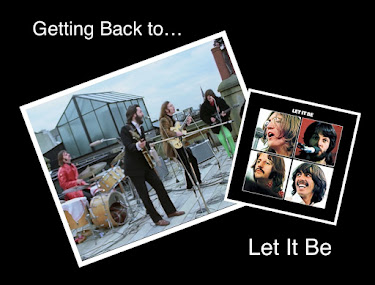
Getting Back To Let It Be

I don't know about you, but between the Get Back documentary and the 50th Anniversary edition of Let It Be, my fall has been dominated by The Beatles. Naturally, I have some thoughts about all of it - read on!

The Beatles: Get Back Documentary Series
The Beatles - Let It Be 50th Anniversary Edition (Super Deluxe)
The more you know, the less you understand. That's the short version of how I felt after reading volume one of Tune In, Mark Lewisohn's minutely detailed biography of The Beatles. That lengthy tome, which takes us through the childhoods of the four lads up to the precipice of Love Me Do's release, is so full of improbable occurrences that it would beggar belief as a work of fiction. 

And so it goes with Peter Jackson's eight-hour-plus documentary series on the making of Let It Be, which is filled with forensic, sometimes phenomenally exciting details, but never fully dispels the mystery of what made The Beatles at their best so good. But it does take a long time to remind you of how spectacularly good they could truly be. 

Part of the hype around this excavation, restoration, reedit, and reevaluation of the 60 hours of footage shot in January 1969, is that it shows a happier period in The Beatles' career than Let It Be, the desultory film created by director Michael Lindsay-Hogg and released in 1970. The truth is, of course, more complicated than that. In Part One, which starts on January 2nd, 1969, they are indeed all smiles, acting as if they have all just come back from holiday when they arrive at Twickenham film studio to begin rehearsals for a return to live performance that will be accompanied by a TV special. 

The good cheer continues as they run through nascent versions of I've Got A Feeling, Don't Let Me Down, Gimme Some Truth, All Things Must Pass, and fragments of other songs old, new, and covers. It's remarkable how carefully they listen to each other and flash enthusiastic smiles from time to time. But there are red flags from the beginning. The studio doesn't sound good to them, they feel exposed in the enormous room, and the live performance is hanging over their heads, necessitating breaks for discussion that circle around and go nowhere. For the viewer, how much this will fascinate is in direct relationship to your passion for The Beatles - and for seeing the sausage get made. 

One misunderstanding I had that was thoroughly cleared up by Part One is the creation of Don't Let Me Down, which I always assumed from listening to bootlegs was presented as this perfect song that Paul tried to muck up with annoying counterpoint vocals. But it was actually that John only had fragments and Paul is trying to goose the song to completion however he can. Before work on it grinds to a halt, there's some interesting discussion about parts of the song being too "corny" or "pretty," with Lennon defending its simplicity. It finally comes down to George to nuke Paul's unnecessary complications, by pointing out that it sounds "awful." But as many versions as we see throughout the series, the leap to an indelible masterpiece is never quite seen. Either it was off camera or it was just unspoken.

The most serious issue, of course, is George's discontentment in his own role, both at playing third wheel to one of the greatest songwriting duos in history, and to feeling technically inadequate to this method of trying to gin up songs in real time. He recognizes his limitations around improvisation, unfavorably comparing himself to Eric Clapton, which leads Paul to say: "But that's jazz." They're clearly not communicating. 

There's also this earlier nugget from George: "It should be where if you write a song I feel as though I wrote it. And vice versa...That was the good thing about the last album. It's the only album, so far, I tried to get involved with." And Paul just says: "Yeah."

Eventually George walks out and Part One ends in disillusion and near dissolution. But there are amazing moments, such as when, on the morning of January 7th 1969, when John is late,  and Paul, clearly frustrated at their slow progress, starts strumming on his Hofner bass, rocking back and forth like he's possessed. The best word for what happens next is a conjuring, as he draws the basic structure of Get Back out of his soul. Ringo and George look on, with the latter saying, "It's good, you know, musically, its great." He starts working out a part, and Ringo starts singing backup vocals, before taking up the drums, and soon all three of them are grooving together. Jaw-dropping stuff. 

Michael Lindsay-Hogg, for all his apparent skill at camera placement and coordination, is full of terrible ideas about the performance ("How about an orphanage?") and seems unable to read the room throughout. He even manages to get in a brief pissing match with Linda Eastman (McCartney) about who is the bigger fan of the Fab Four.  But he manages to get them all set up when, in Part Two, they move to the smaller confines of their new studio in the Apple building. Even with George back in the fold, this and parts of Part Three are a bit of an endurance trial, as you watch them simultaneously create the songs loved by generations - and attempt to murder them in their cribs by performing them in every style of parody you can imagine. Even this lover of their Christmas singles had his patience tested from time to time, but I guess performing Two Of Us as clenched-jaw ventriloquists is what John and Paul needed to do to re-cement their bond!

The ultimate payoff is hinted at when Billy Preston, whom they had known since their Hamburg days - and whom George had rhapsodized about in Part One - drops by for a meet and greet and essentially ends up joining the band for the remainder of the sessions. The sheer musical skill of Preston is astonishing as he just sits down at either a Rhodes electric piano or a Lowry organ and instantly plays parts that are nearly ones we hear on the final versions - and always with great exuberance and enthusiasm.

I also delighted in observing John's love affair with his Fender VI, a six-string bass that he plays on several songs, including The Long And Winding Road, when Paul is occupied by piano. He's often seen cross-legged on the floor, gently caressing notes out of the instrument. Yoko, whom I should have mentioned earlier, shows no signs of jealousy, but is rather content to sit and listen. She does show enthusiasm for some of the songs, especially as they come together more, and at times is seen in animated conversation with Linda - a beautiful sight.

In Parts Two and Three, there are flashes of musical perfection, master takes, even, evincing that unique and beautiful sensation of pure harmony between four people (or five, counting Billy) but it's not until the live performance finally takes place that we get an uncut (well, mostly) dose of Beatles magic. All that talk finally led to them making their way up to the roof of Apple for that famous last concert, although there was last-minute hesitation about even that. Lindsay-Hogg's skills come to the fore as he sets up ten cameras - five on the roof itself - and prepares to capture this historic moment. 

Not having performed live in three years, the four Beatles show some jitters - and also some worries about the roof's stability, but finally take their places, and run through a quick and ragged soundcheck of Get Back, getting the attention of their impromptu audience on the street. Then, with less than 50 minutes left to go in the series, they count off the first full performance of Get Back heard in public and it's...OK. But you can sense their true power coming back - and they feel it, too, exchanging glances, looking cool, smiling at each other. Then they do it one more time and...LIFTOFF. John executes his intricate rhythm and lead parts with panache, Billy's fingers dance on the keys, George strums along, easy breezy, and Paul is finally fully feeling himself, interjecting little whoops and hollers and finding the parts of the song to push his voice. Cut to Maureen Starkey bobbing her head hard, like I would have been. 

Then, they launch into Don't Let Me Down, with John and Paul harmonizing beautifully, and, even with a bit of gibberish from John, it is glorious. But it's when they kick right into I've Got A Feeling that it dawns on you: they could have done this more than once. They could have taken this on the road! It would have been one of the greatest tours in history, of that I have no doubt. Of course, if that had happened, we might not have gotten Abbey Road, which is a tough trade-off for posterity to accept. 

Throughout this magnum opus, Jackson makes almost only good choices. There are a few uncomfortable moments, such as when he overlays footage of The Beatles in their touring pomp as they blow through a version of Chuck Berry's Rock And Roll Music at Twickenham. Nice try. One could also complain about the highly fragmented approach to the rooftop concert, with all of its split screens and many cuts to the people in the street and the Bobbies sent to inquire about the noise. This is part of the story, yes, but it also dilutes the sheer brilliance of what the Fabs are doing. But, damn, nothing can keep us from the ultimate bliss of John delivering the loving and joyous version of I Dig A Pony that appears on the Let It Be album, screwing up his face in pleasure at George's perfect guitar solo, which firmly beats Clapton at his own game. You really can syndicate every boat you row, after all!

Of course, we've seen much of this before, in the original Let It Be film and on YouTube, but it's never looked as good, with Jackson's technical wizardry making both sound and vision pop with crystal clarity. We also owe Jackson a debt of gratitude for organizing the trajectory of what would eventually become their final release. The calendar graphic is highly effective at keeping us rooted in the timeline. The time at Twickenham, painful as some of it is, has never been so well-explicated. Bootlegs tell only part of the story, and Lewisohn himself elides most of it in his classic book, The Beatles: Recording Sessions, only picking up the story in full when they come to Apple. Jackson also does a great job highlighting some of the people around The Beatles, like Mal Evans, their indefatigable "road manager," who is as patient with a pen to take down lyrics as he is sourcing an anvil for early takes of Maxwell's Silver Hammer.

As a three-part series, Get Back lacks the shapeliness of a great documentary film, and, with each part well over two hours, even the gripping structure of a good docu-series. But it puts you in the shoes (and occasionally flamboyant boots) of The Beatles as they struggle through harmony and dissonance and unity and disarray. While not all sunshine and flowers, it is a more nuanced look at this time in The Beatles career than Lindsay-Hogg's dour original, and is a highly valuable project for that reason alone. If you are any kind of a fan of the band, or curious about the creative process and the pitfalls and power of collaboration, it is well worth paying for at least a month of Disney+ to immerse yourself in this shaggy tale. 

The Super Deluxe box set, on the other hand, is a typical Beatles product in that it seeks to organize and sculpt things a bit more than Jackson's lengthy project would allow. But this does make for good listening, as the two discs (in CD terms) of jams, rehearsals, and sessions, bear repeat plays and decently summarize all the ins and outs of making Let It Be. Whether by choice or due to contractual arrangements with Disney, we do not get the complete audio of the rooftop concert or even a hint of some of the intriguing offshoots of the Twickenham work, such as a jam with moments of hushed majesty called The Palace Of The King Of The Birds, a segment of which is heard over the end credits of Part One. The bootlegs are not yet obsolete.

The set also includes Glyn Johns' May 1969 assembly of an album called Get Back, which was his first attempt to make sense of all that happened that January. In a recent issue of Mojo, he relayed that when presented with this mix, The Beatles "...all came back the next day and said, to a man, 'fuck off.' They hated it." And they were right. Hearing it here, and knowing what gold was also on the tapes, one questions Johns' sanity or at least his hearing. Sure, giving us The Beatles "warts and all" is an interesting concept, but he seems to purposely choose takes that are just this side of good, much less great. They had master takes that he simply ignored for the sake of a principle! 

Johns also made an assembly of Get Back in January 1970, which as I understand it, was pressed onto acetate and sent to radio stations as an advance of The Beatles next album. Was that one any better? Not by much, since it used the same takes of the songs the two have in common. At least it eliminated Paul's Teddy Boy, which I find irritating in any version, and included George's I Me Mine, was recorded on January 3rd, 1970, the last time more than two Beatles were in the studio (John was absent) until the "Threetles" sessions for The Beatles Anthology in 1994. We get to hear that version of I Me Mine (all 1:45 of it) on an EP that fills out the box with new mixes of the single versions of Don't Let Me Down and Let It Be, both of which sound fine but don't further illuminate already magnificent songs. I also question the need to have 30 seconds of dialog precede Don't Let Me Down, which is not part of the original single release. If you want one of Lennon's best songs as he intended, you've still got to get the Mono Masters set or Past Masters Vol. 2 - or track down the original 45.

But what of Let It Be, the LP finally released on May 8th, 1970, and which all of this pomp purportedly celebrates? While not included in Get Back, most people are familiar with its final stages, when John and George surprised everyone by reviving the project and handing the tapes over to Phil Spector. John and George were highly enamored of the producer, even if his best days were behind him, both working with him on large swaths of solo material. The results created the only Beatles album with an asterisk, with everyone from fans and critics to Paul himself questioning many of Spector's choices. According to Lewisohn, Paul even accused the other Beatles in High Court of seeking to "ruin his personal reputation" with the orchestrated version of The Long And Winding Road.

In 2003, Paul produced his terribly titled rejoinder, Let It Be...Naked, which sought to right some of the perceived wrongs by stripping away the Spectorization and selecting different takes and edits in some cases. It was a good, if somewhat airless, alternate approach, with Let It Be and I Me Mine being the most satisfying beneficiaries of the treatment. The Long And Winding Road, sorry to say, still felt like it lacked something, and in the Get Back documentary Paul is seen discussing adding strings and other embellishments. 

But how bad is Let It Be, with "bad" being a relative term, as this is still The Beatles, after all? As a five-year old, it was just another album by my family's favorite band. While I recognized a certain different texture due to the orchestrations - the heaviest on a Beatles album since Goodnight - it still brought great joy. Listening now to my 51-year-old copy, which is in decent shape, I can take new delight in Two Of Us, now having the visual of John and Paul, face to face with their acoustics, while George, off to the side, does his country licks in place of a bass line. It's just a tremendously moving song and Spector does nothing to interfere with it or I Dig A Pony's awesome rooftop performance. I actually love the false start, which Paul saw fit to remove. Across The Universe now sounds a little more out of place, so firmly am I aware of its 1968 provenance. I like the "Wildlife" version better - best presented on the Mono Masters collection - and also agree with David Bowie that a more acerbic treatment was required.

I Me Mine is the first song with Spector's new material added, and the brass, strings, and choir sound bolted on and just plain unnecessary. His edit to extend the song works perfectly, however, making for a more satisfying listen in that regard. Let It Be also gets the full treatment and works better as the song itself attracts that kind of grandeur. John's Fender VI feels a little exaggerated but Ringo's drums have a nice clarity. Sonically, the orchestra lacks the depth of the one on Goodnight, perhaps pushing the limits of 1970's technology. Fifty seconds of Dig It and 40 of Maggie Mae are the perfect reminders of the playful atmosphere of parts of the sessions. Unlike Paul, I wouldn't want my Let It Be without them.

Side two kicks off with those ringing guitars of I've Got A Feeling, and once again I can connect to the recording, on the rooftop, with the glances between John and Paul easily recalled as they exchange lines. It's a great performance, too, with a low-end throb and George ripping off those tense leads with authority. One After 909 is a fine romp from the rooftop and sounds as fun as it looked. The Long And Winding Road, seen as too maudlin, attracts controversy as a song apart from Spector's work, but I think there's a fine melody in there, a beautifully restrained vocal from Paul, and now I have the added visual of the band in the studio to light my way through the morass. The strings, etc., are indeed a bridge too far, overwhelming not only Ringo's sensitive drumming but Paul's vocals, two tracks of which Spector erased to make room for more glop. 

In Get Back, we see them open up a box and pull out a cute little lap steel guitar. Picturing John playing it like a kid with a new toy only adds to the charms of For You Blue ("Go, Johnny, go!" George interjects during his overdubbed vocals). Get Back, a studio recording with rooftop dialog added by Spector, sounds fantastic, and knowing how many takes it took to get from Paul's Twickenham fever dream to this only makes it seem more remarkable. As predicted, I'm bobbing my head just like Maureen. A perfect ending to an imperfect album.

Some of the issues described above were helped slightly by the 2009 remaster, which added clarity without doing much more. Now, we have a wholly new mix by George Martin's son, Giles, who has previously worked wonders with Sgt. Peppers and the White Album (not so much with Abbey Road). Martin the younger sought to find the best of both worlds, respecting the original 1970 release while endeavoring to integrate all the disparate elements, whether the old recording of Across The Universe, or Spector's after-work. And guess what? It works a treat! That touch of grandiosity now elevates I Me Mine instead of swamping it. Let It Be takes you to church, George's overdubbed solo slicing through with a new physicality, John's bass anchoring everything, and Ringo's creativity shining bright. Even The Long And Winding Road goes down more smoothly, with Paul's voice having more presence and George's guitar, played through a Leslie amp for that watery sound, actually there at all. Is it a great recording? Maybe not, but it's easier to judge it for what it is than thinking about its constituent parts. Across The Universe still feels a little out of place, but that's more due to its instrumentation than the recording.

Over all, the album sounds terrifically well balanced, with renewed clarity and weight and Martin's work confirms Spector's skill at record-making. All of the dialog and scattershot bits make sense and give Let It Be the feel of a real album, as opposed to Johns' proposed Get Back sound collages. So, what is the poor consumer to do after all of this? If you can afford it, by all means get the Super Deluxe set on vinyl ($130) or CD ($115), although the book, which is supposed to be great, is likely more impressive in the former package. The Glyn Johns Get Back is packaged to look like an official album, making for a cool object, but it's not likely you will play it often. For most people, cutting to the chase and getting the new version of Let It Be on vinyl will be enormously satisfying, especially if you don't already have it in an earlier version. If you stream, you can find all of the material there as well.

Having watched the documentary and listened to everything that's now been officially released, I find myself marveling anew at what these four complex, flawed individuals were able to create and achieve. While the Get Back/Let It Be project was more seat-of-the-pants than anything they had done before - even the debut album was rehearsed for months on stage before they laid it down in one session - I've listened to enough bootlegs (and the Anthology volumes) to know that artistic greatness was never guaranteed when they started recording. It was their attention to detail, their hunger for success and perfection, and that indefinable fifth element that was created by the four of them together that made The Beatles so unique and enduring. And no amount of information overload will change that.

You may also enjoy: 
The Book Of Fab
The Beatles Thing
One, Two, Three, Four, Cough


Sunday, August 02, 2020

Movie Night: Blasts From The Past


We can't go to movies. We can't go to concerts. We can't even invite that loquacious and knowledgeable friend over to sit on the couch with us and watch something. We also might spend more time scrolling through choices on Netflix and Amazon and Hulu and Apple TV+ than we do actually watching anything! I am here to propose at least two solutions to these problems, which though decidedly "first world," are definitely having an impact on people's coping skills as we live through these perilous times. If you have the ability to play Blu-ray discs, here are two cracking suggestions to get under the laser ASAP.

Go Go Mania AKA Pop Gear (1965) This collection of colorful clips is a visual hit parade direct from the British airwaves of (mostly) 1964 to your living room. Don't get too, too excited, however, as that timeframe puts us just on the cusp of the revolution started by The Beatles. So bands like The Rolling Stones, The Who, The Kinks, The Yardbirds, or The Zombies are nowhere to be seen. But besides the opening and closing clips of The Beatles playing She Loves You and Twist And Shout from their 1963 Royal Command Performance, these are all studio clips shot in eye-popping colors by world-class cinematographer Geoffrey Unsworth (2001, Cabaret), so even the duff acts look spectacular in this spiffed up edition from Kino Lorber. Their fine work also makes those Beatles clips practically leap off the screen, with the Fabs locked in the groove heard around the world, Ringo swinging like a sledgehammer.

Besides the remastered visuals, Kino Lorber has also invited entertainment journalist Bryan Reesman and songwriter/journalist Jeff Slate to provide audio commentary, to which I highly recommend listening after your first pass at the flick. While I wasn't always sure which one of them was speaking, it's a great conversation - they both know their stuff and point out a wealth of fascinating details.

Beyond The Beatles, the rest of the "performances" - they're all mimed - are of a highly variable quality. Here are notes from me along with some tidbits I picked up from Reesman and Slate (R&S).

Billy J. Kramer & The Dakotas: Despite their connections with Lennon & McCartney, they still sound like the saccharine side of the 50’s, leading to a barely memorable appearance here. Slate has met Kramer, however, and asserts he is a true Liverpudlian wit.

Susan Maughan: I never heard of her or this song (Make Him Mine) but it’s pre-Fabs fluff. The set is awesome, even if it looks like it cost 10 pounds 5. R&S confirm that she never made an impression in the U.S. as she was too traditional ("We already had Doris Day.").

The Four Pennies: Their first song, Juliet, is sappy sappy sappy! They redeem themselves later with a fairly blistering version of Leadbelly's Black Girl, which you likely know from Nirvana's Unplugged In New York as In The Pines. R&S point out that they did write their own material, still a rarity back then. They also note how they weren't camera savvy, something which was also far from a given back then.

The Animals: They MEAN IT, even though they’re lip-syncing The House Of The Rising Sun, and Burdon plays to the camera like a natural actor. Camera blocking is also fantastic. When they return later on to play Don't Let Me Be Misunderstood, it's a great relief after all the pap in between their performances. Slate has also met Burdon and affirms he's still an archetypal rock & roll bad boy.

The Fourmost: They at least sound post-Beatles but bubblegum and undistinguished. R&S explain they were a Merseybeat band managed by Brian Epstein, as were several of the acts in Go Go Mania.

The Rockin’ Berries: He's In Town is a decent Goffin/King song, with a folk influence and interesting arrangement by these guys - worthy of investigation. R&S also note how gorgeous their instruments are, all American, which were expensive and hard to get in the U.K. in those days.

The Honeycombs: Have I The Right is not a great song and their singer is irritating, but look! A female drummer: Honey Lantry, who looks like she can really play. All the boys are playing exotic and beautiful Burns guitars and basses, a feast for the gear-head's eye. I wonder if they had a sponsorship deal? The second song, Eyes, is truly terrible. R&S relate that they were a Joe Meek project, which at least adds interest to the sonics. Can't save those songs, though.

Sounds Incorporated: Rinky Dink is an apt name for the first song played by this Bar-Kays rip-off that not only lacks soul but is smug AF. R&S fill in the picture - Epstein-managed, they were the warm-up act for The Beatles around the world.

Peter and Gordon: I haven't listened to these guys in years and just read an interview in Tape Op with Peter Asher so I was curious - and pleasantly surprised how good World Without Love is. Great set, like a thrift-store Calder. I needed R&S to remind me that it's a Lennon & McCartney gem, mostly cooked up by Paul while he was dating Peter's sister Jane.

Matt Monro: This Sinatra-lite seems out of place, but he gets nice scenery. Walk Away is not his best song, either - check out My Kind Of Girl, used so effectively on the Scandal soundtrack. Mama, his second song, at least has a haunting quality but it is unqualified dreck. By the time he returned to sing the Pop Gear theme song, I hit fast-forward - sorry, not sorry. R&S wisely framed his presence by explaining he could make mom & dad comfortable after sitting through all that teen pop. They also reveal that he recorded three albums in Spanish, which may be the most progressive thing he did in his career.

Herman’s Hermits: At least I'm Into Something Good (another Goffin/King number) is catchy, making it stand out amongst much else here. Peter Noone was a good frontman but his teeth looked way better when I met him in a photo studio in the late 80's.

Tommy Quickly and the Remo Four: This tune, based on nursery rhymes, is an insult to audiences then and now. R&S have some interesting backstory but somehow fail to mention how godawful it is.

Billie Davis: She's quite mesmerizing, with a distinctive voice, well matched to Whatcha Gonna Do, the bluesy song she does here. Turns out she was a fashion icon as well.

The Spencer Davis Group: It's practically a cliché to say this, but when "Stevie" Winwood, all of 15 years old, opens up those pipes - WOW. As R&S point out, you can hear the future of the 60's a bit with these guys.

Nashville Teens: Immediately distinguished by a great rhythm section, this is a banging take on Tobacco Road, a very old song. I immediately wanted to hear more, then they returned with the lousy Google Eye. R&S give some interesting details on their career backing up legends of early rock & roll, from Jerry Lewis to Chuck Berry. They definitely had the chops.

There are also two dance sequences that are quite cringe-inducing if amusing in an Austin Powers-esque way. Worst of all is the presence of known pedophile and sex abuser, Jimmy Savile, who serves as master of ceremonies. Even if he didn't turn out to be a truly venal man, he's a bizarre presence.

Reesman and Slate fill out their chat with some fun riffing on The Eagles representing the death of rock and roll and a shout out to director Frederic Goode, who pulled this whole thing together on likely a shoestring budget. One of them also has a fine last word by stating, “This is what MTV was going to become, which is remarkable when you think of it.” Indeed - and a fun watch, but you'll probably skip through to the good stuff if you watch it again without the commentary.

That'll Be The Day (1973) I've long heard of this movie, starring David Essex (of Rock On fame) and Ringo Starr, but this was my first viewing. It's a knockout, sort of a blend of British kitchen sink drama (Billy Liar, etc.) and American Graffiti. Essex gives an understated performance, often pictured as an observer of the societal changes happening as the 50's came to a close. Ringo is even better, completely convincing as a carnival tough who shows Essex's character the ropes, including how to scam patrons of the bumper car ride where they work, which later has disastrous consequences. After a few minutes of Ringo's performance I pretty much forgot he was one of the most famous musicians in the world and just got into the character. Rosemary Leach, in her film debut, is also terrific. It's a quietly tough film, with fine direction from Claude Whatham and great cinematography from Peter Suschitzky, who later shot The Empire Strikes Back. I was absorbed completely in the drama, which had the ring of truth and the archetypal resonance of fable.

Kino Lorber's restoration is again beautifully done, although the sound is not as strong as the visuals. Reesman also gives a commentary track on the Blu-ray of That'll Be The Day, this time solo. While he talks very quickly, especially at the beginning, he is full of intriguing background, from the film being partially inspired by Harry Nilsson's 1941, to the history of the Isle of Wight and other locations, and on to pocket biographies of the main players. He puts the film in the context of the "20-year itch of pop culture nostalgia," cogently explaining the differences between the exuberant, almost cartoonish American take on the 50's (Grease, Sha-Na-Na) and this more downbeat approach. I certainly hope Kino Lorber brings him back should they decide to reissue the sequel, Stardust.

So, there you have it: the real 60's and the reimagined 50's, each providing a fine escape hatch from 2020.

You may also enjoy:
Fela On Film
Beats, Rhymes, Death & Life


Wednesday, March 13, 2019

Best Of 2018: Out Of The Past


One probably unintended consequence of the development of high-fidelity recording is that many genres of music are now in direct competition with their own past. The CD era put this into overdrive, with the rise of remastered, deluxe editions of classic albums as well as the further reclamation of records that were out of print, because they were forgotten, or swamped by legal or economic issues. And now we have the vinyl revival going over much of the same ground. Small as it is, the return of 12” plastic represents the only growth area in physical media.

Some styles are more in danger of being overcome by their legacies than others - reggae, jazz, country and blues, come to mind. While it would be fascinating to explore why that is, in the interest of space I will simply point out that some of the examples below may provide more instant satisfaction than new releases in those genres. So dig in and feast - but remember to put in the effort with current artists to keep the music alive. 

First, catch up with this mid-year post that focused on reissues. 


Reggae Redux

Various Artists - The #1 Sound: From The Vaults, Vol. 1 Don’t judge this album by its cover as it is not your standard Studio One collection. Originally put out in a limited edition for Record Store Day, this really does deliver a “from the vaults” experience with one rare reggae single after another, most never compiled before. Each sounds like a lost classic, with only the slightest dip in quality in the 80’s tracks. Will the river ever stop flowing?

Justin Hinds - Travel With Love Speaking of great reggae, having Omnivore Recordings, one of the best reissue labels out there, turn its attention to Jamaica is something to celebrate. Their attention to sonic detail is present from the first notes of this beautifully remastered collection, most of which comes from 1984. It's amazing to think that was 20 years after Hinds recorded such genre-defining songs as Carry Go Bring Come, but you don’t even need to be familiar with that song to enjoy this smooth celebration of deep grooves and positivity. 

King Tubby with the Riley All Stars - Concrete Jungle Dub After Lee Perry, Tubby is really the only dub master who can hold your interest over a full album - and this is one of the best I’ve ever heard. Originally pressed in 1976 in an edition of 300, the fact that we can so easily access these cavernous epics is a jaw-dropping benefit of the age of streaming. Don’t take it for granted, though, just sit in awe as some of the best musicians on the island are put through some truly fascinating paces. 

Horace Andy - Exclusively I don’t know about you, but I can’t get enough of these 80’s Horace Andy reissues. This one contains the original version of Live In The City, later revisited by Massive Attack. 

Jazz Journeys

Charles Mingus - Jazz In Detroit/Strata Concert Gallery/46 Selden This four-hour-plus cornucopia of Mingus circa 1973 was taped, broadcast on WDET and then squirreled away in a suitcase by drummer Roy Brooks, where it stayed until its rediscovery and release last year. It's no wonder he grabbed it up because for that one night, he was one of the greatest drummers I've ever heard. His solos are bold, dramatic, positively Bonham-esque masterpieces and the rest of the time finds him goading on the superb rhythm section of Mingus on bass and Don Pullen on piano. The latter also turns in some stellar work, either sparkling solos or soulful comping for sax player John Stubblefield and trumpeter Joe Gardner. Mingus is maybe a little subdued (for him) but always swinging and I can only imagine his bemused expression when Brooks brought the house down with a musical saw solo for the ages. The sound is mostly very good, but be prepared to ride out some distortion at times. All of the tracks are of epic length and there's also a generous interview with Brooks. In fact, this release is perhaps even more crucial to his legacy than it is to Mingus's!

Thelonious Monk - Mønk This concise and delightful Monk set from Copenhagen in 1963 was almost landfill when an intrepid soul reclaimed it and gifted it to the world. One of my favorite things to do when listening to Monk his really focus on his comping behind solos - it's so fractured and fun - and he was in fine form throughout. Charlie Rouse, John Ore and Frankie Dunlop (sax, bass, drums, respectively) were old hands with the master by this point and more than deliver. If you see a master tape in a dumpster, grab it!

Bubbha Thomas & The Lightmen - Creative Music: The Complete Works The invaluable Now-Again label has done quite the service in bringing these four LP's by Bubbha Thomas and The Lightmen back to, er, light. Spanning the years 1970 - 1975, Thomas leads his shaggy group down paths previously explored only by the likes of Sun Ra, creating his own cosmology of Afro-spiritual jazz-funk. While not every track is a stone classic, there is nothing less than fascinating to be found here and much that is stupendously involving. You might lose a little time listening to these, but when you resurface you will feel refreshed and ready to face new challenges.

Various Artists - Nicola Conte Presents Cosmic Forest: The Spiritual Side of MPS Conte is the Italian composer with big ears who put together the amazing Viagem collections of rare Brazilian music (must-haves, BTW). Here he's turned his discerning taste toward MPS (Musik Produktion Schwarzwald (Black Forest Music Production)), an important German jazz label. As the title suggests, there's an exploratory nature to what Conte has selected, but you also get some hard-swinging and even a sprightly Dexter Gordon/Slide Hampton cut that somehow fits right in.

Global

Gecko Turner - Soniquete: The Sensational Sound Of Gecko Turner If you’re not already obsessed with Turner’s pan-Latin, Afro-Carib jams, filled with killer grooves and singing that alternates between honey and sandpaper, you probably just haven’t listened yet. This collection is a great starting place, cherry picking from his four albums and adding one new song, the infectious Cortando Bajito. Don’t come running to me when you don’t want to hear anything else but Gecko - unless it’s to say “Thank you.”

Basa Basa - Homowo This 1978 release is the third album by this Ghanaian band and from what I’ve heard it’s the best. Their grooves by the rhythm section of twin brothers Joe and John Nyaku are never less than deep but the addition of extremely creative synth wiz Themba Matebese lifts Homowo into the stratosphere. Prepare to dance and to be surprised by this crucial reissue from Vintage Voudou. 

Orchestre Abass  - De Bassari Togo This brief collection, now more widely available after a limited vinyl release, also rides keyboards to glory. But instead of synths it’s the wildly overdriven organ that stuns here. Polydor put out a couple of singles from these 1972 sessions, but half these tracks sat in a Accra warehouse for decades. Thanks to the intrepid work of Analog Africa, we now have the first approximation of what an album by this group would have sounded like. 

Funk, Soul & Hip Hop

Jerry Peters & Jerry Butler - Melinda OST Well, pardon me for not looking deeply enough into the credits of albums by The Sylvers or Friends of Distinction, just to name two artists Peters worked closely with as a songwriter and producer - because his name was completely unfamiliar to me. But one listen to the ultra-funky Part III on this obscure Blaxploitation soundtrack put him instantly in the pantheon of groove. Two chicken-scratch guitars mesh tightly to a Clavinet for a workout that will work you OUT. There are many other pleasures to be found here, too, including four vocals by “Iceman” Butler who gives it gritty or smooth, as the material demands, knowing Isaac Hayes, Curtis Mayfield and Marvin Gaye were providing stiff competition in cinemas around the country. He more than holds his own, which can be said for this soundtrack in general. Get to it. 

C-Bo - Mobfather: The John Gotti Pack Go ahead, complain about this west coast veteran’s completely unreconstructed lyrical approach, I’ll be too busy nodding my head to his mesmerizing flow. Even in 2003, when the earliest material here first appeared, he wasn’t necessarily moving with the times. Look, one song is called I Like Gangster Sh*T - and so do I - so if you don’t, steer clear. His 2019 album, Animal, is even better, making him one of the few rappers that has sustained a career for over 25 years. 

Eric B. & Rakim - The Remixes (1987 - 1992) I’m not sure I would recommend listening to all 2.5 hours in one sitting, but it’s fantastic to have all of these expanded and exploded versions in one place. For all their grousing about what the Brits did with their Long Island boom-bap on the Seven Minutes Of Madness mix of Paid In Full, they were smart enough to engage some of the U.K.’s finest on subsequent remixes. So you get classics by Norman Cook, the Wild Bunch and Blacksmith alongside stellar work by DJ Mark “The 45 King” and others. Eric B. himself takes on Mahogany and gives it a new groove that shows he was listening keenly to the Bristol sound. Sprinkle these around your party playlists and astonish your friends. 

It’s All Classic Rock

The Beatles - The Beatles 50th Anniversary Super Deluxe Edition Say what you want about the Apple machinery that keeps churning out new reasons for you to buy old Beatles, but at least they are doing a kick-ass job with it. Also, unless you can’t live without the visual component (I’ve heard the book is nice), you can listen to every track on Spotify, something you can’t say for every box set (ahem, Bob Dylan!). This set has more of the famous Esher (or Kinfauns) demos than I’ve ever heard, which allows you to hear how good the bones of most of these songs were. Then, when they get into the studio, there are a few terrifying moments when it sounds like they might lose the essence of a song - and then the thrill when they solve it and make it to the magnificent final take. Listen carefully to all the outtakes to hear Paul say "I was trying to do a Smokey - and I aren't Smokey."And the new stereo mix of the final album sounds really great, punchy and thick, without supplanting my favorite version, the 2014 mono vinyl remaster.  Fab gear, boys! Let’s see what they do with Abbey Road...

Jimi Hendrix - Both Sides Of The Sky and Electric Ladyland 50th Anniversary Deluxe Edition The first of these is supposedly the final collection of studio outtakes - and there is some barrel-scraping in evidence as we get TWO tracks with Hendrix essentially a sideman for Stephen Stills. And one vocal performance by Lonny Youngblood is usually more than enough. But there are some glories here, too, especially the wonderful Things I Used To Do, with Johnny Winter. It makes you realize how rare it is to hear Hendrix with another guitarist, yet another reminder of what should have been. The Electric Ladyland box set is, in a word, magnificent. From restoring Hendrix’s choice for a cover photo to making the album sound better than ever, it feels like a true labor of love. Read my write-up in Rock & Roll Globe for more details.

Bob Dylan - Live 1962-1966: Rare Performances From The Copyright Collections There's been a lot of talk about the More Blood, More Tracks dissection of Blood On The Tracks, but it didn't move me. The final album is just too perfect. This, however, is a wonderful alternate history of his career from Folk City to the motorcycle accident. The electric cuts are especially essential.

The Doors - Waiting For The Sun 50th Anniversary Edition As I noted in my Rock & Roll Globe article, not every outtake or demo of interest from this period of The Doors was included here. But the extra tracks were certainly illuminating and occasionally hair-raising, like the spittle-drenched rough mix of Five To One. For more context, check this handy playlist of previously released demos and live takes. 

David Bowie - Glastonbury 2000 and Never Let Me Down (2018) It's easy to overlook all the Bowie product coming out just because there's so much of it. But having the legendary Glastonbury concert so easily available is not to be taken for granted. Even more worthy of attention is the reclamation of Never Let Me Down, with new string arrangements, less clutter and other sonic improvements, revealing a fine set of songs. It shouldn't work but it does! It's currently available as part of the Loving The Alien box set, which also has live albums and everything Bowie released from 1983-1988. Find Never Let Me Down on its own here.

The Allman Brothers Band - Bear’s Sonic Journals: Fillmore East February 1970 More Allman Brothers, you say? Another Fillmore East show, you cry? Yes, but this set has been out of print for some time and finds the ABB at a key point, connecting the dots between the rough and ready Ludlow Garage shows and the world-beating 1971 concerts recorded at the same venue. Do not ask for whom Duane’s slide guitar weeps - it weeps for all of us who miss him. 

Hiss Golden Messenger - Virgo Fool If you don’t already have the first three albums, by all means get the box set called Devotion: Songs About Rivers And Spirits And Children. But if you’ve already delved into M.C. Taylor’s rich catalog than this rarities collection will be a wonderful treat on its own. In fact, it hangs together so well, it’s almost like getting a new studio album from one of today’s finest songwriters, which is something to celebrate indeed. 

Fleet Foxes - First Collection (2006 - 2009) This beautifully packaged set puts that seismic first album in context, with demos, prototypes and early releases. Some of it reminds you how hard Robin Pecknold & Co. had to work to be great - and what a high level they reached in fairly short order. The facsimile notebook is a nice bonus and putting the bonus material on 10” discs helps you focus on each period of their development.

Public Image Limited - The Public Image Is Rotten (Songs From The Heart) There is so much brilliance here that I hesitate to say anything that will turn you off. BUT: the way the set is structured, with one disc of A-Sides, one disc of B-Sides, etc., mostly in chronological order, you take their journey from being unbelievably astonishing (1978-81) to merely good (and occasionally awful) over and over. I think I'll just make a playlist of all the best stuff and leave it at that!

Old Folk

Terry Callier - The Chess/Cadet Singles...Plus! This is a bit of a grab-bag, with classic tracks alongside outtakes that find Callier sometimes trying to be something he isn't. But when it works, say on City Side And Countryside, you marvel at what a unique talent he was. If you're unfamiliar with the man, try this career overview I put together in the wake of his death in 2012.


Beverly Glenn-Copeland - Beverly Glenn-Copeland Album This incredible jazz-folk excursion was recorded in 1970 and is a must for anyone who loves Tim Buckley, Vashti Bunyan or anyone who strums an acoustic guitar but doesn't play by the rules. Glenn-Copeland, now a trans man, has an extraordinary voice and equally magnificent control over it, a rich contralto that seems to have no weak spots. The album itself has one throw-away track (My Old Rag or the Hysterical Virgin - the name is a dead giveaway!) but is otherwise a complete masterpiece. Glenn-Copeland later recorded Keyboard Fantasies, an ambient/new age album, and is still working today, alone in his niche. Join him there.

Find tracks from all of these albums in this playlist or below. For more from out of the past, check out the 2018 Archive here and keep up with this year's rediscoveries by following Of Note In 2019 (Out Of The Past).